
Microsoft and ASUS Team Up to Launch ROG Xbox Ally & Ally X
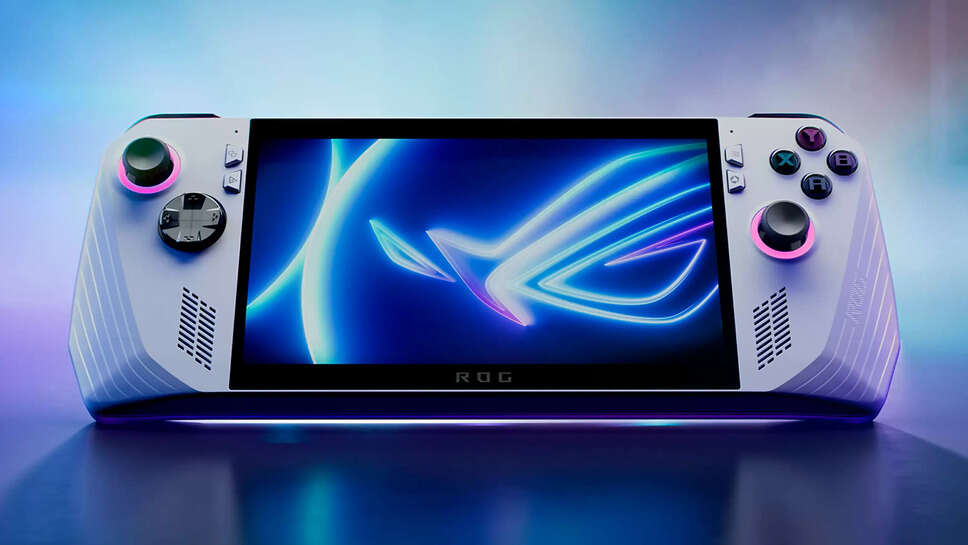
Microsoft and ASUS have boldly entered the portable gaming market with their new ROG Xbox Ally and ROG Xbox Ally X, marking a major investment in handheld devices powered by Windows 11. Revealed at June’s Summer Game Fest, these devices aim to blur the lines between console and PC gaming, featuring both a full Xbox-branded interface and access to mainstream PC gaming ecosystems.
🎮 A Powerful Gaming Duo
The lineup includes two distinct configurations:
-
ROG Xbox Ally (standard)
— AMD Ryzen Z2 A processor
— 16 GB LPDDR5X RAM
— 512 GB SSD
— 7‑inch 1080p 120 Hz display
— 60 Wh battery
— Weighs around 670 g -
ROG Xbox Ally X (premium)
— AMD Ryzen AI Z2 Extreme processor
— 24 GB LPDDR5X RAM
— 1 TB SSD
— Larger 80 Wh battery
— Includes impulse analog triggers for a richer experience
— Weighs around 715 g
Both models feature twin USB‑C ports, microSD slot, 3.5 mm audio jack, Wi‑Fi 6E, Bluetooth 5.4, and USB4/Thunderbolt 4 connectivity on the X version.
🖥 Windows, Optimized for Handheld Gaming
While both devices run full Windows 11, they launch into a streamlined Xbox “full-screen experience”—a console-like interface that hides desktop elements to free up system resources. A dedicated Xbox button brings up the Game Bar, offering easy access to chat, widget customization, and switching between games and apps without the desktop clutter.
Despite its console-like feel, both devices remain true PCs under the hood, granting users the freedom to install and run applications from Steam, Battle.net, Epic Games Store, GOG, Ubisoft Connect, Discord, and productivity tools.
📚 Unified Game Library
A core feature is the aggregated Xbox ecosystem:
-
Access Xbox titles via Game Pass or PC app
-
Integrate Xbox Play Anywhere titles—playable across Xbox, PC, and Ally
-
Install Steam, Epic, GOG, and more
-
Launch directly into games via the Xbox UI
-
Seamless cloud gaming support and remote-console streaming included
This harmonized library aims to offer a "one-stop-shop" for PC and Xbox gamers.
⚙️ Performance & Software Enhancements
Microsoft and ASUS have worked closely on performance optimizations:
-
Ally X’s Ryzen AI Z2 Extreme chip brings advanced AI compute and significantly more memory and storage
-
The tailored Xbox UI suppresses non-essentials to boost performance
-
Support for variable refresh rate (VRR) ensures smooth visuals
-
Armoury Crate integration provides thermal, power, and system tuning tools
Early hands-on reports highlight strong performance in AAA titles, though the weight and battery demand caution about comfort during extended use.
🧩 Form Factor & Controls
Physically, both devices mimic the familiar shape and ergonomics of Xbox controllers:
-
Contoured grips modeled on Xbox Wireless Controllers for comfort
-
Full-sized analogue sticks and D-pad
-
ABXY buttons, bumpers, triggers, and grip sensors
-
Ally X includes impulse triggers for haptic feedback
-
Twin customizable rear buttons, digital triggers, and Xbox Game Bar hotkeys
At roughly 300×121×51 mm, these consoles are sizeable—heavier than many rival handhelds but optimized for deeper gaming immersion.
🔋 Battery Life & Thermal Design
Despite robust internals, battery performance is a concern:
-
The standard Ally has a 60 Wh battery; the X version increases that to 80 Wh
-
Early usage warns of around 1–3 hours of high-power gaming, depending on settings
-
Standby power may drain faster than lighter handhelds
-
Cooling relies on fan-fan systems common to gaming handhelds; heat management will be key
🌐 Connectivity and Expandability
Both devices offer rich connectivity options:
-
Dual USB‑C with DisplayPort and Power Delivery support
-
Ally X adds Thunderbolt 4 for monitors, docks, and external GPUs
-
MicroSD card slot supporting UHS-II
-
Wi‑Fi 6E and Bluetooth 5.4 for online and accessory use
-
Potential future USB-attached expansion—controllers, USB audio, keyboards
🕹 Game Compatibility & Console Integration
You cannot run native Xbox console titles (Series X/S), but Xbox Play Anywhere covers many popular games. For everything else, native PC versions from Steam, GOG, Ubisoft, etc., are fully supported.
-
Cloud Gaming (Game Pass Ultimate required) taps into Xbox’s streaming libraries
-
Remote Play enables streaming directly from a home Xbox
-
Xbox-specific features like party chat, achievements, Xbox overlay, and controller settings are baked into the UI
🤔 Comparisons: Game Boy, Switch, Steam Deck
Microsoft positions Ally as a console-like yet flexible handheld:
-
Nintendo Switch focuses on exclusive titles and family-friendly games
-
Steam Deck/SteamOS centers on PC gaming, but lacks built-in Xbox perks
-
ROG Xbox Ally blends universal PC access with Xbox branding/features—ideal for multiplatform gamers
Its Windows backbone always carries the burden of complexity and weight—making it heavier and potentially hotter than some single-purpose consoles.
⚙️ Future Upgrades and Wider Ecosystem Rollout
Microsoft plans to roll the “Xbox full-screen experience” to existing ROG Ally models and other compatible Windows handhelds starting next year. This suggests a broader strategy to unify handheld PC gaming under one inclusive Xbox umbrella. The company is also working on a Handheld Verified label—akin to Steam Deck Verified—to highlight performance compatibility.
⏰ Release Timing & Pricing Strategy
Both models are slated for holiday 2025 launch, but exact pricing details remain undisclosed. Analysts estimate:
-
ROG Xbox Ally: ~$599–699
-
ROG Xbox Ally X: ~$899–999
The premium Ally X includes better performance and hardware; take advantage of bundled offers with Xbox Game Pass and other perks remains probable.
✅ Pros & Cons Summary
Pros:
-
Unified access to Xbox and PC gaming
-
Strong hardware performance, especially in the X model
-
Familiar, comfortable controller design
-
Custom software for enhanced performance
Cons:
-
Heavier and bulkier than competitors
-
Windows 11 complexity—potential hiccups in mobile context
-
Battery life may disappoint during extended play
-
Lacks native Xbox console game support
🧭 What’s at Stake
Microsoft’s push into handheld hardware embodies its long-held "Xbox Anywhere" vision—gamers who own Xbox games can play them on almost any device. This venture is as much a platform statement as a product launch, directly competing with Nintendo and Valve.
If Ally delivers on performance, battery longevity, and usability, it could shift the handheld market into a new era. Seamless integration, bundled services, and retailer support will play a key role in its adoption.
📌 Final Take
The ROG Xbox Ally series redefines portable gaming by uniting a console-grade interface with PC freedom. Available in two configurations to match different gamers’ budgets, it offers unprecedented power in handheld form—but with compromises in weight, battery life, and complexity.
As holiday 2025 approaches, gamers will be watching closely. Will this be the pioneering device to deliver console-quality handheld gaming with cross-platform support? Or will it remain a powerful yet niche gadget best suited for enthusiasts?
Microsoft’s play could reshape the narrative—dominate or redefine a market long ruled by Nintendo and Valve.