
Weird Is the New Chic: How Fashion Got Bold, Loud, and Limitless
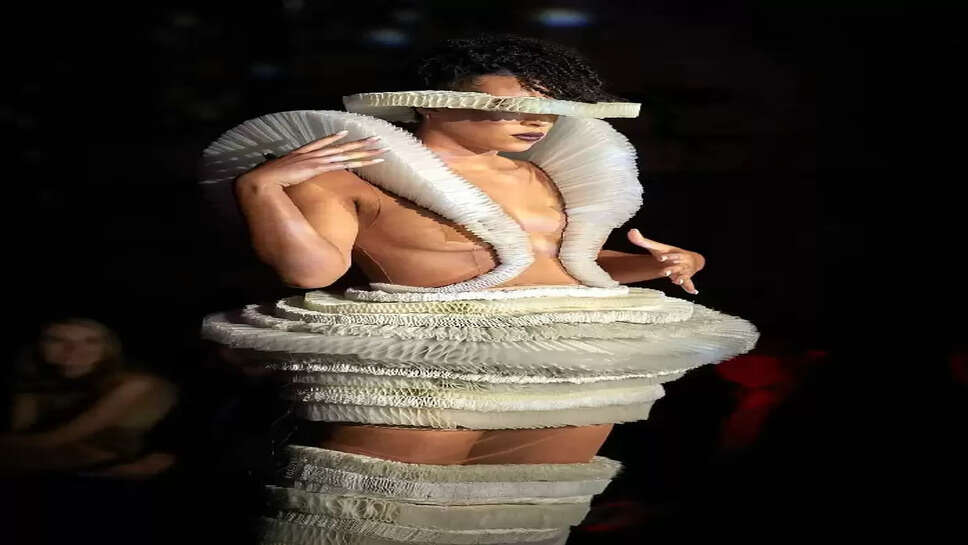
Walk down any urban street today—whether in Tokyo, New York, Milan, or Mumbai—and you’ll likely spot someone wearing something that makes you stop and stare. Maybe it's a man in a mesh skirt and neon boots. Maybe it’s a woman in an oversized blazer with shoulder pads reaching comical proportions. Maybe it's someone in a transparent plastic jacket, layered over a digital print of a pizza. One question arises: Is fashion getting weirder… or just more fearless?
Fashion, after all, has always evolved by pushing boundaries. But in 2025, the line between bold and bizarre is thinner than ever. With the rise of social media, sustainability, digital influence, and identity politics, clothing has transformed from mere fabric to a full-blown cultural conversation. What once would have raised eyebrows is now an Instagram trend. So, are we witnessing fashion’s golden age of creativity—or a chaotic detour?
🎭 The Rise of "Weird" as a Style Statement
What’s considered “weird” in fashion today often translates to pieces that are:
-
Oversized beyond functionality
-
Clashing patterns and textures
-
Unusual materials (latex, foam, recycled metal)
-
Gender-fluid silhouettes
-
Mismatched shoes or asymmetrical garments
-
Clothes that seem to parody fashion itself
These elements would have been laughed off even a decade ago. Today, they’re celebrated. Fashion weeks from Copenhagen to Seoul proudly showcase collections that seem to question the very purpose of clothing.
This isn’t just about being different—it’s about challenging norms. Fashion is no longer confined to rules. What once required a matching set and polished look now thrives on disruption. “Weird” has become the aesthetic of self-expression.
📱 Social Media: The Weirdness Amplifier
Instagram, TikTok, and Pinterest have become runways of their own. Creators who wear outlandish outfits or experiment with fashion hacks gain followers overnight. There’s a reason trends like:
-
“Clowncore” (bright colors and exaggerated silhouettes),
-
“Goblincore” (earth tones, mushrooms, and chaotic layering),
-
“Avant apocalypse” (shredded outfits, post-apocalyptic styling)
have gone viral.
People aren’t necessarily dressing for their real-life peers anymore—they’re dressing for an audience of strangers online. A single outrageous outfit can rack up thousands of likes, turning an otherwise unknown person into a digital fashion icon.
In this environment, weird isn’t just acceptable—it’s algorithm-friendly.
👗 Gender Fluidity: A Fashion Revolution
Another powerful driver of today's unconventional fashion is the growing rejection of traditional gender roles. Clothing no longer fits neatly into “men’s” and “women’s” sections. Designers are creating collections that move beyond the binary: skirts for men, suits for women, and everything in between.
Stars like Harry Styles and Billie Eilish, and influencers around the world, proudly blur these lines. Fashion is becoming an open playground where self-expression trumps social categories. Unusual silhouettes, mixed fabrics, and unexpected combinations symbolize liberation, not confusion.
Where once "weird" meant unfashionable, it now often means authentically you.
♻️ Sustainability and the Second-Hand Surge
Thrifting and upcycling are no longer just economic choices—they're fashion-forward. People are buying clothes not to blend in, but to stand out. The more unusual, the better. Vintage shops, DIY sewing videos, and patchwork aesthetics are exploding in popularity.
It's common to see outfits that include:
-
Hand-painted jackets
-
T-shirts stitched from five different fabrics
-
Jeans covered in patches and words
This gives rise to styles that are truly one-of-a-kind—and often “weird” in the best way. What’s more, the emphasis on sustainability has encouraged shoppers to embrace imperfection, further distancing fashion from conventional beauty standards.
🧠 Fashion Meets Psychology: Why We Crave the Weird
In uncertain times—global crises, climate anxiety, economic turbulence—people often seek comfort in creativity. Wearing bold, strange, even humorous outfits becomes a kind of rebellion. It says, “I’m still here. I still have control over how I show up in the world.”
Weird fashion gives people a sense of agency, especially in a world that can feel overwhelming. When everything feels out of control, clothing becomes a canvas for personal power.
And let’s be honest: sometimes, it’s just fun. It brings color, energy, and absurdity into otherwise mundane routines.
👠 Designers Leading the Charge
Major designers are embracing the unconventional. What was once limited to art-school runways has now entered mainstream brands. Recent collections have included:
-
Inflatable jackets
-
Dresses shaped like flowers or furniture
-
Pants with twenty pockets or none at all
-
Footwear designed to look like hooves, fish, or even bricks
It’s not always practical—and that’s the point. Fashion is stepping into performance art, especially in high fashion, and consumers are taking cues from the runway into their real lives.
🛍️ Everyday Weird: How It’s Showing Up on the Streets
Even outside fashion capitals, weirdness is going mainstream. You’ll find:
-
Teens pairing vintage cowboy boots with anime hoodies
-
Office-goers wearing asymmetrical trousers to meetings
-
Students mixing sports jerseys with tutu skirts
-
People of all ages dyeing their hair to match their outfits
Streetwear, once the epitome of casual cool, has evolved into a kaleidoscope of creative rebellion. And as fashion gets more inclusive, more people feel welcome to experiment without fear of judgment.
🤔 So, Is It Really “Weird”?
Maybe the real question is: weird for whom?
Fashion is always a reflection of culture. What’s odd today may be the norm tomorrow. Think about skinny jeans—once considered feminine, now a staple for all. Or crop tops for men—once shocking, now celebrated.
In this moment, “weird” fashion is less about being bizarre, and more about breaking free. It’s about dressing for joy, identity, and expression, not approval.
So whether it’s a sparkly jumpsuit, a skirt made from old newspapers, or a bucket hat covered in pins—if it makes someone feel more them, then it's not weird at all. It’s beautiful.
✨ Final Thoughts: Weird Is the New Wonderful
Clothing today isn’t just about looking good. It’s about telling a story, expressing a mood, or simply having fun. As rules blur and creativity takes the lead, fashion is more alive than ever—playful, political, passionate, and yes, a little bit weird.